497 Search Results Found For : " ŻĶŸ̽ī rkt365.top Time slot ¹ ͳݳ Ÿ ؿ౸ ۽Ʈī ī ũŻ"


PRB Discuss Online: The Well-Being of Older Populations

(2010) In many countries, the elderly now make up an unprecedented share of the population. This increase in the number of older people has implications for national budgets, labor force growth, and family support systems.

View Details

How the 2010 Census Is Different

The 2010 Census will enumerate the resident population of the United States as of April 1, 2010. The census will include everyone living in the 50 states, the District of Columbia, Puerto Rico, the U.S. Virgin Islands, Guam, American Samoa, and the Northern Mariana Islands.

View Details

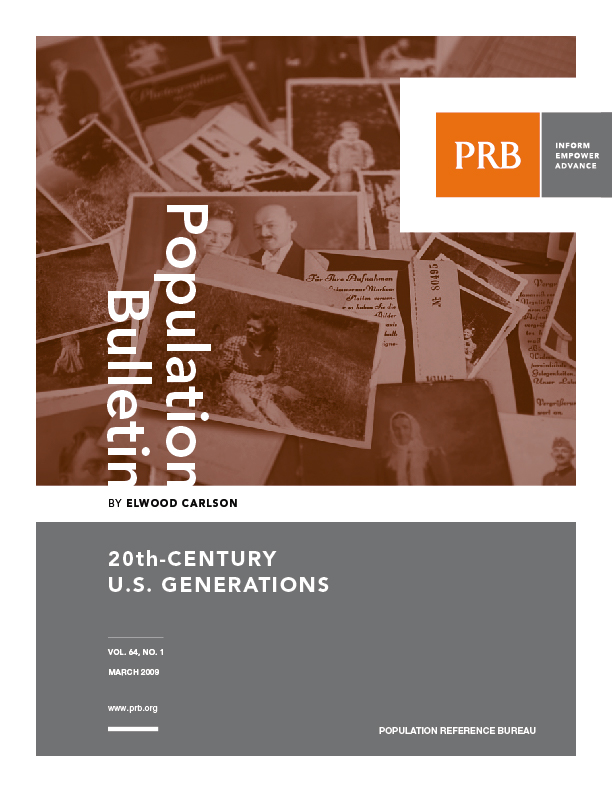
PRB Discuss Online: Are Some U.S. Generations Luckier Than Others?

(2009) Unique events, political climates, and social and economic conditions shape each new generation in every society.

View Details Array ( [ID] => 5837 [id] => 5837 [title] => Population-Bulletin-2009-64-1-u-s-generations [filename] => Population-Bulletin-2009-64-1-u-s-generations.pdf [filesize] => 744930 [url] => https://www.prb.org/wp-content/uploads/2020/11/Population-Bulletin-2009-64-1-u-s-generations.pdf [link] => https://www.prb.org/resources/20th-century-u-s-generations/population-bulletin-2009-64-1-u-s-generations/ [alt] => [author] => 15 [description] => 20th-Century U.S. Generations [caption] => [name] => population-bulletin-2009-64-1-u-s-generations [status] => inherit [uploaded_to] => 5835 [date] => 2020-11-30 23:41:28 [modified] => 2020-11-30 23:41:43 [menu_order] => 0 [mime_type] => application/pdf [type] => application [subtype] => pdf [icon] => https://www.prb.org/wp-includes/images/media/document.png ) Download (0.7 MB)

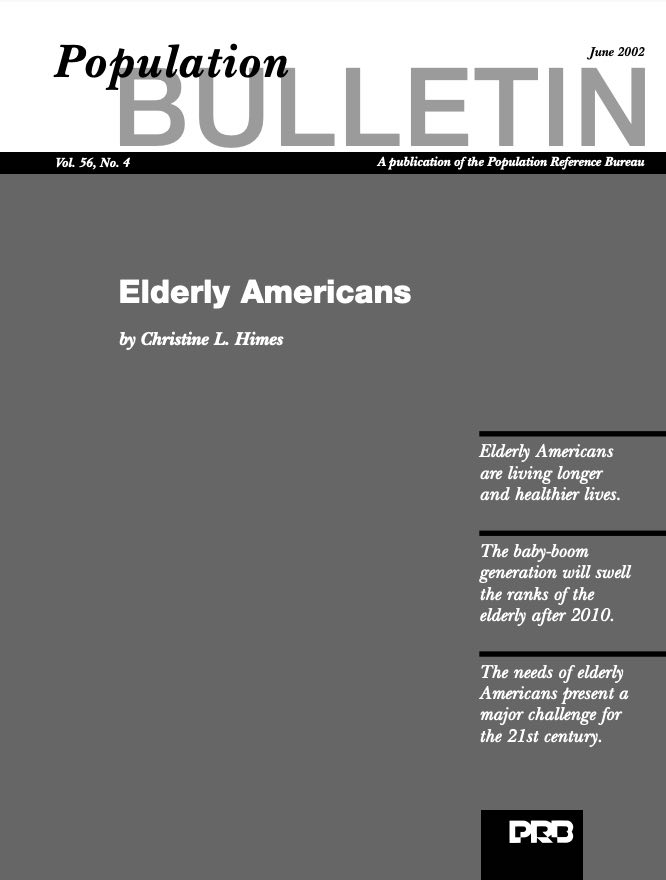
Population Bulletin, vol. 56, no. 4. Elderly Americans

(2001) The United States is in the midst of a profound demographic change: the rapid aging of its population. The 2000 Census counted nearly 35 million people in the United States 65 years of age or older, about one of every eight Americans.

View Details Array ( [ID] => 18266 [id] => 18266 [title] => Population-Bulletin-2002-56-4-ACFD30 [filename] => Population-Bulletin-2002-56-4-ACFD30.pdf [filesize] => 325481 [url] => https://www.prb.org/wp-content/uploads/2001/12/Population-Bulletin-2002-56-4-ACFD30.pdf [link] => https://www.prb.org/resources/elderly-americans/population-bulletin-2002-56-4-acfd30-2/ [alt] => [author] => 15 [description] => [caption] => [name] => population-bulletin-2002-56-4-acfd30-2 [status] => inherit [uploaded_to] => 18263 [date] => 2021-02-21 01:43:39 [modified] => 2021-02-21 01:43:39 [menu_order] => 0 [mime_type] => application/pdf [type] => application [subtype] => pdf [icon] => https://www.prb.org/wp-includes/images/media/document.png ) Download (0.3 MB)

Elderly Americans

(2001) The United States is in the midst of a profound demographic change: the rapid aging of its population. The 2000 Census counted nearly 35 million people in the United States 65 years of age or older, about one of every eight Americans.

View Details Array ( [ID] => 18266 [id] => 18266 [title] => Population-Bulletin-2002-56-4-ACFD30 [filename] => Population-Bulletin-2002-56-4-ACFD30.pdf [filesize] => 325481 [url] => https://www.prb.org/wp-content/uploads/2001/12/Population-Bulletin-2002-56-4-ACFD30.pdf [link] => https://www.prb.org/resources/elderly-americans/population-bulletin-2002-56-4-acfd30-2/ [alt] => [author] => 15 [description] => [caption] => [name] => population-bulletin-2002-56-4-acfd30-2 [status] => inherit [uploaded_to] => 18263 [date] => 2021-02-21 01:43:39 [modified] => 2021-02-21 01:43:39 [menu_order] => 0 [mime_type] => application/pdf [type] => application [subtype] => pdf [icon] => https://www.prb.org/wp-includes/images/media/document.png ) Download (0.3 MB)

The United States at 300 Million

HOW WE HAVE CHANGED SINCE THE UNITED STATES WAS A NATION OF 200 MILLION (September 2006) The United States is set to reach a milestone in October. It will become the third country—after China and India—to be home to at least 300 million people.

View Details

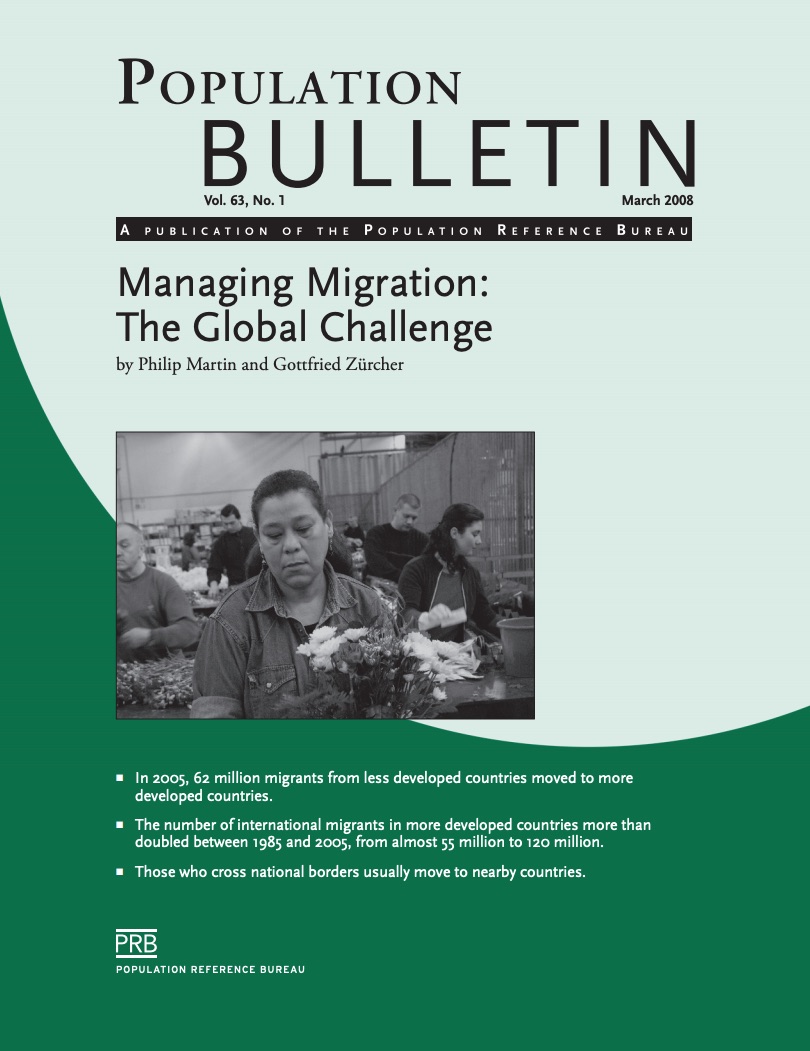
Population Bulletin, vol. 63, no. 1: Managing Migration–The Global Challenge

(March 2008) The number of international migrants is at an all-time high. There were 191 million migrants in 2005, which means that 3 percent of the world's people left their country of birth or citizenship for a year or more.

View Details Array ( [ID] => 14921 [id] => 14921 [title] => Population-Bulletin-2008-63.1migration [filename] => Population-Bulletin-2008-63.1migration.pdf [filesize] => 895837 [url] => https://www.prb.org/wp-content/uploads/2008/03/Population-Bulletin-2008-63.1migration.pdf [link] => https://www.prb.org/resources/managing-migration-the-global-challenge/population-bulletin-2008-63-1migration-2/ [alt] => [author] => 15 [description] => [caption] => [name] => population-bulletin-2008-63-1migration-2 [status] => inherit [uploaded_to] => 5588 [date] => 2021-01-30 19:40:02 [modified] => 2021-01-30 19:40:02 [menu_order] => 0 [mime_type] => application/pdf [type] => application [subtype] => pdf [icon] => https://www.prb.org/wp-includes/images/media/document.png ) Download (0.9 MB)

Some Kenyan Children Are Not in School Despite Free Primary Education

(2013) Despite a free primary education policy introduced by the Kenyan government in 2003, a substantial number of children who should benefit from it are still out of school, even though gains have been made between 1998 and 2009.

View Details